

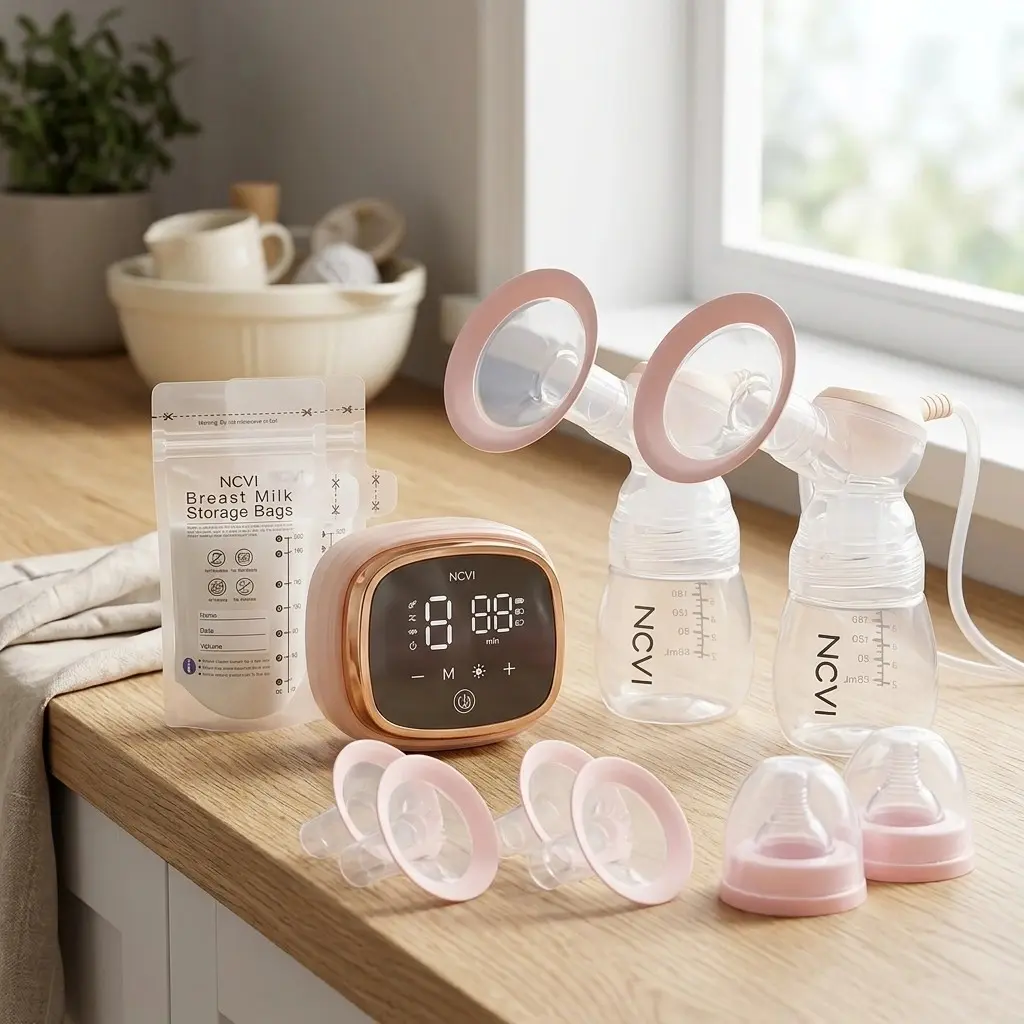
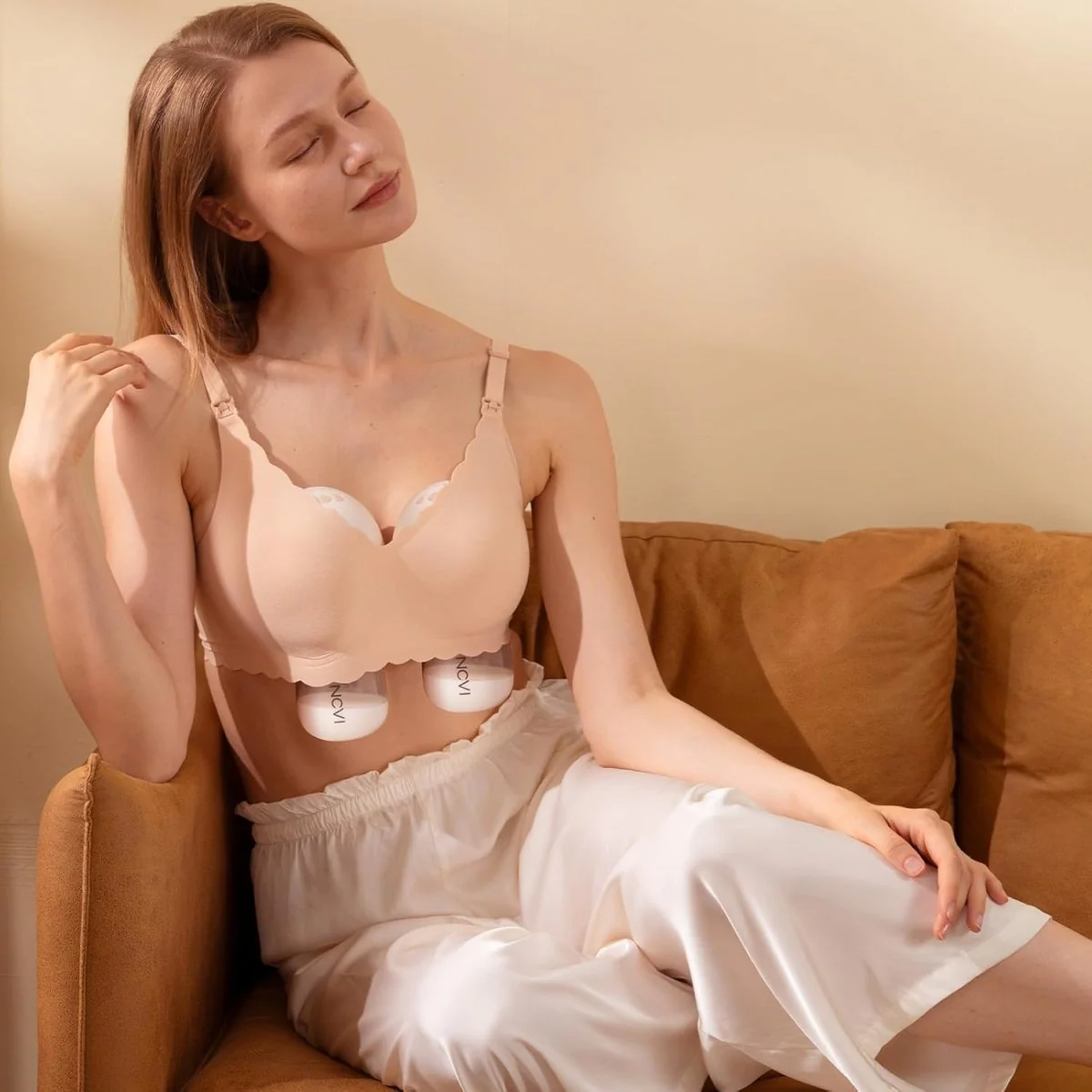
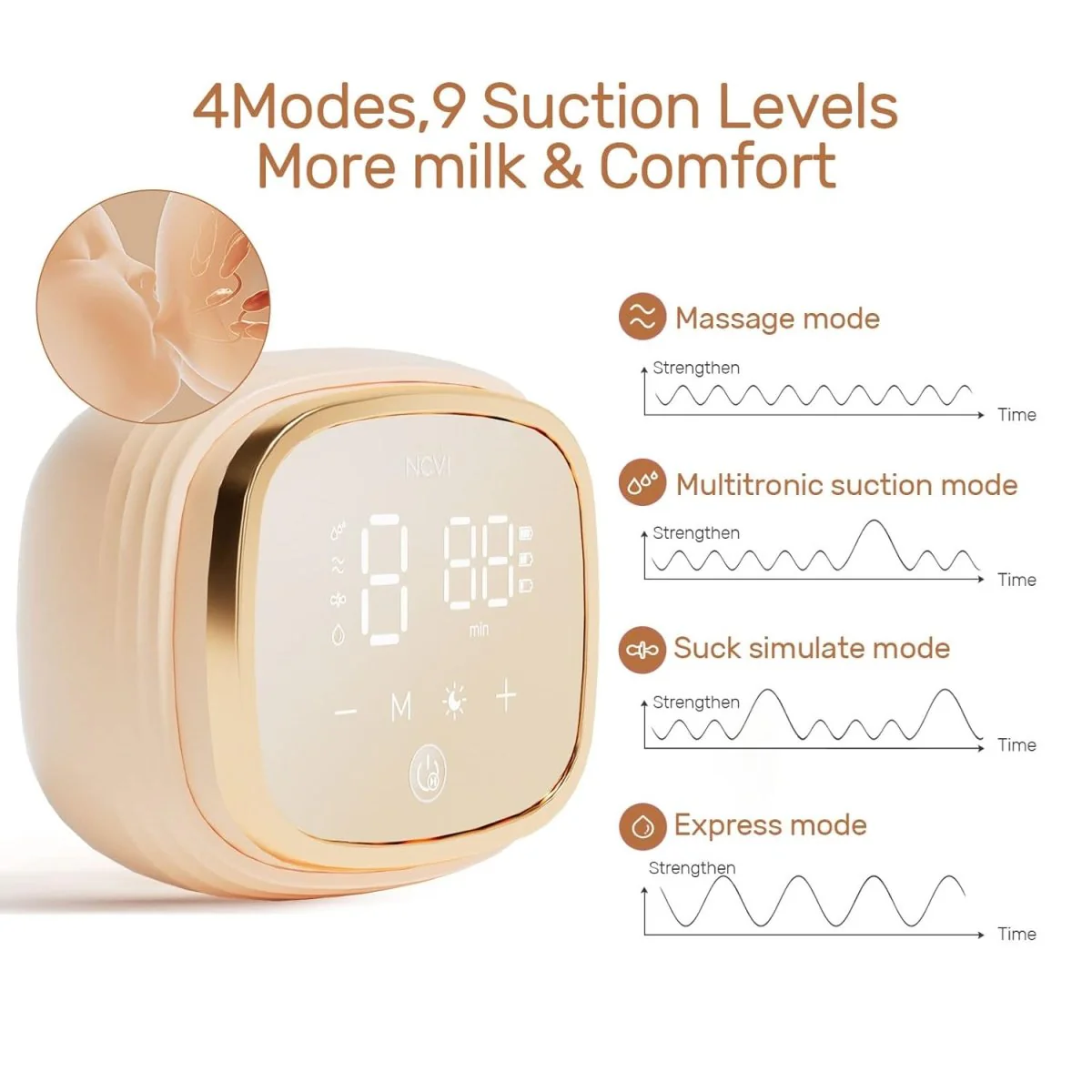
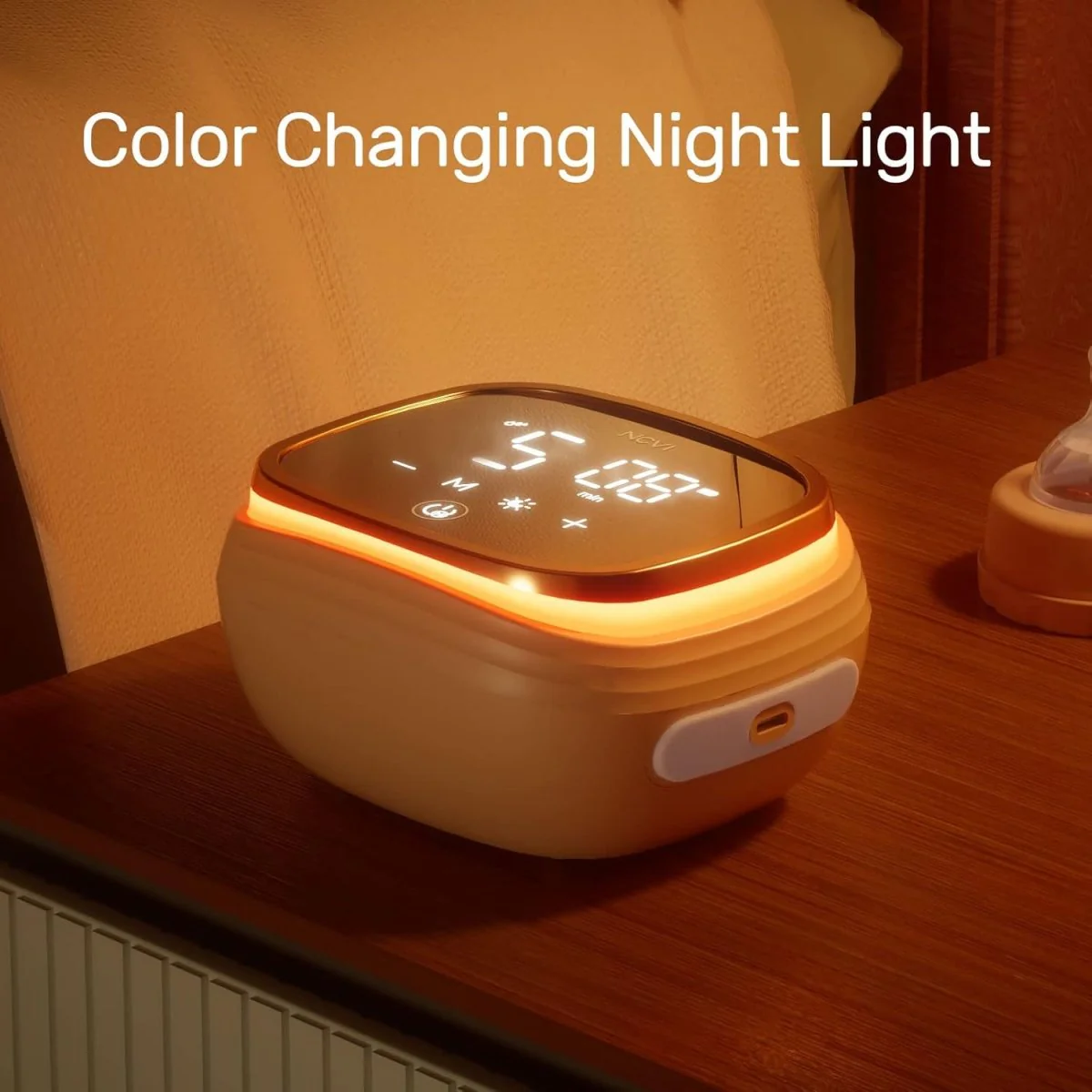

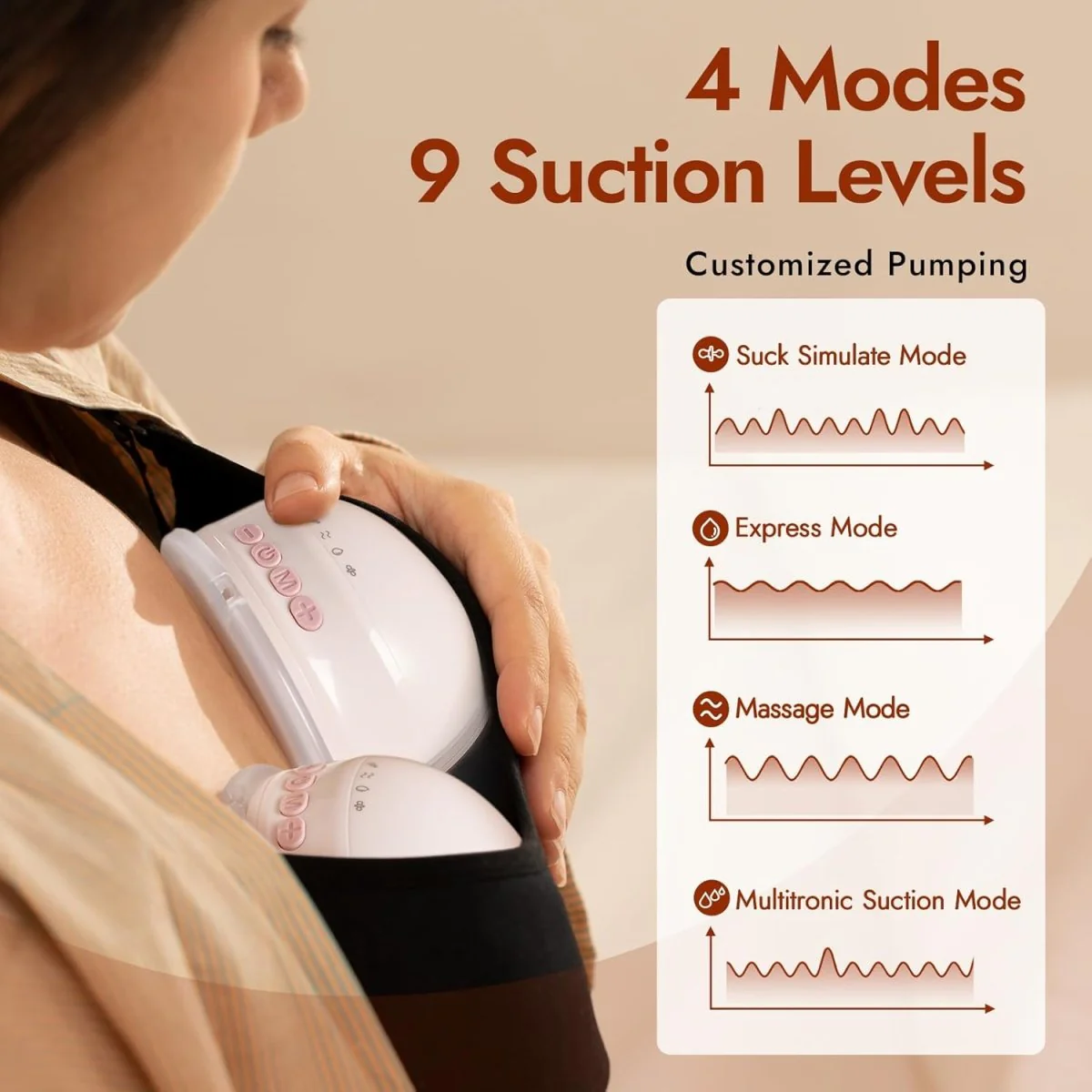
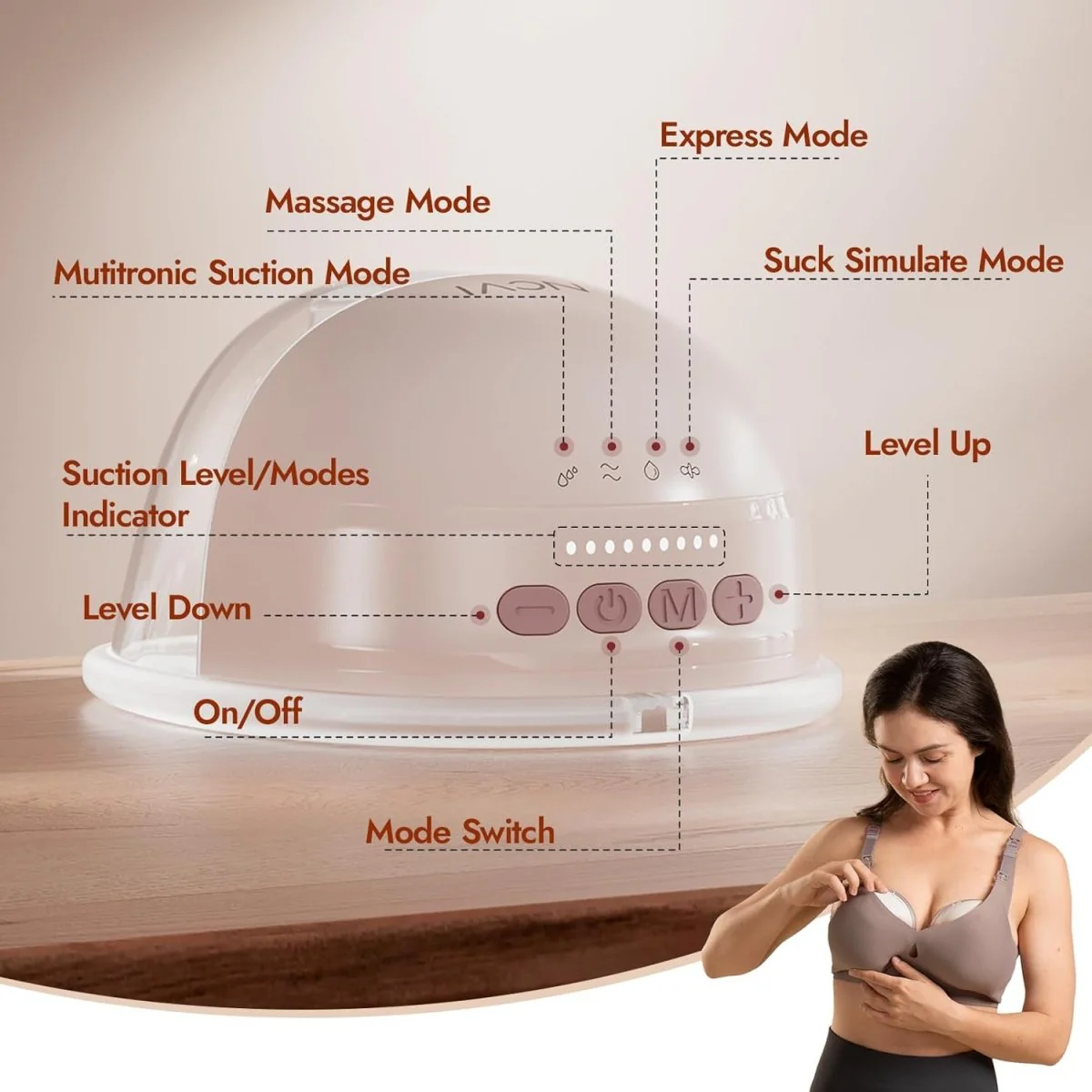
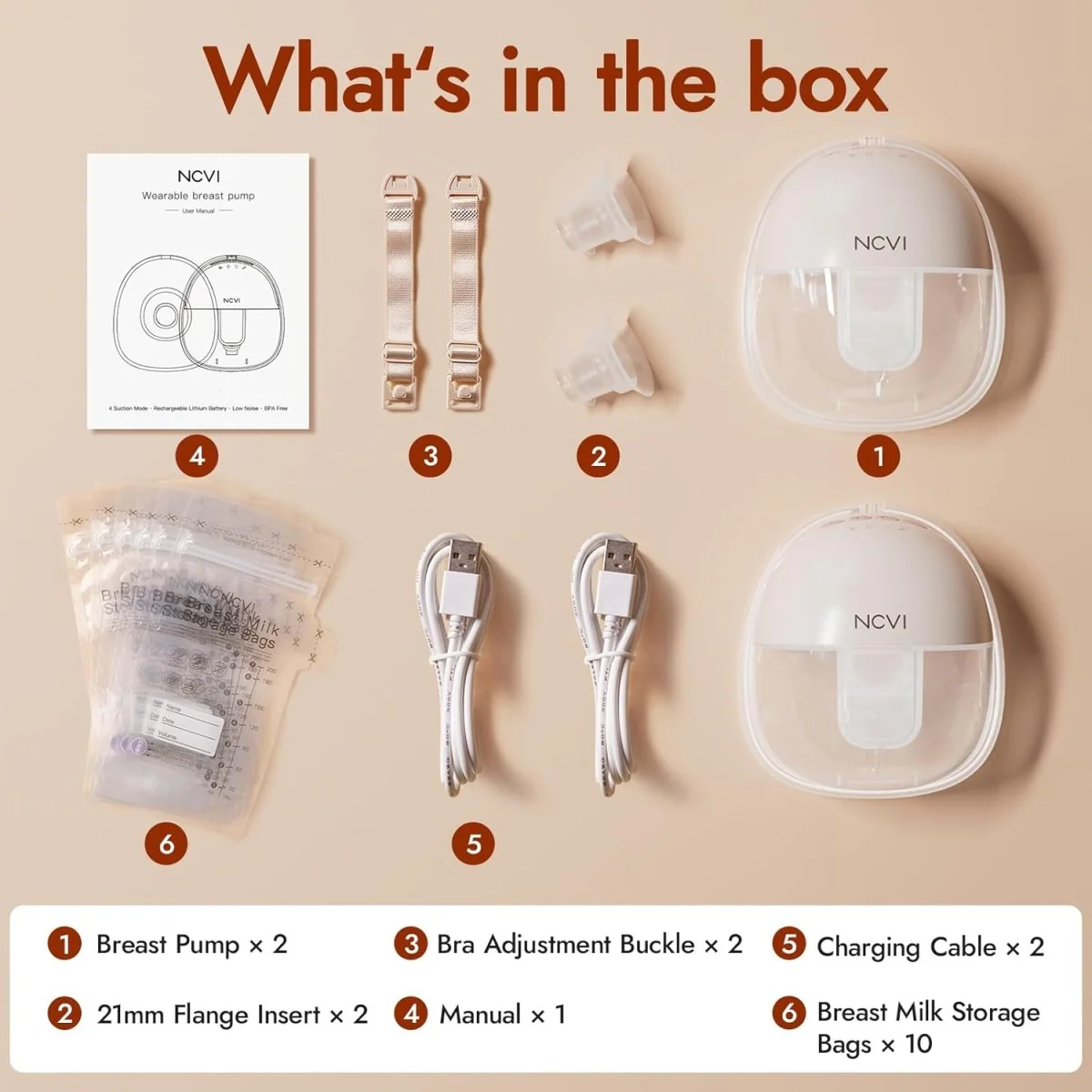
Manual Breast Pump – Soft Silicone Flange, BPA-Free
Price range: ₹1,295.00 through ₹6,999.00
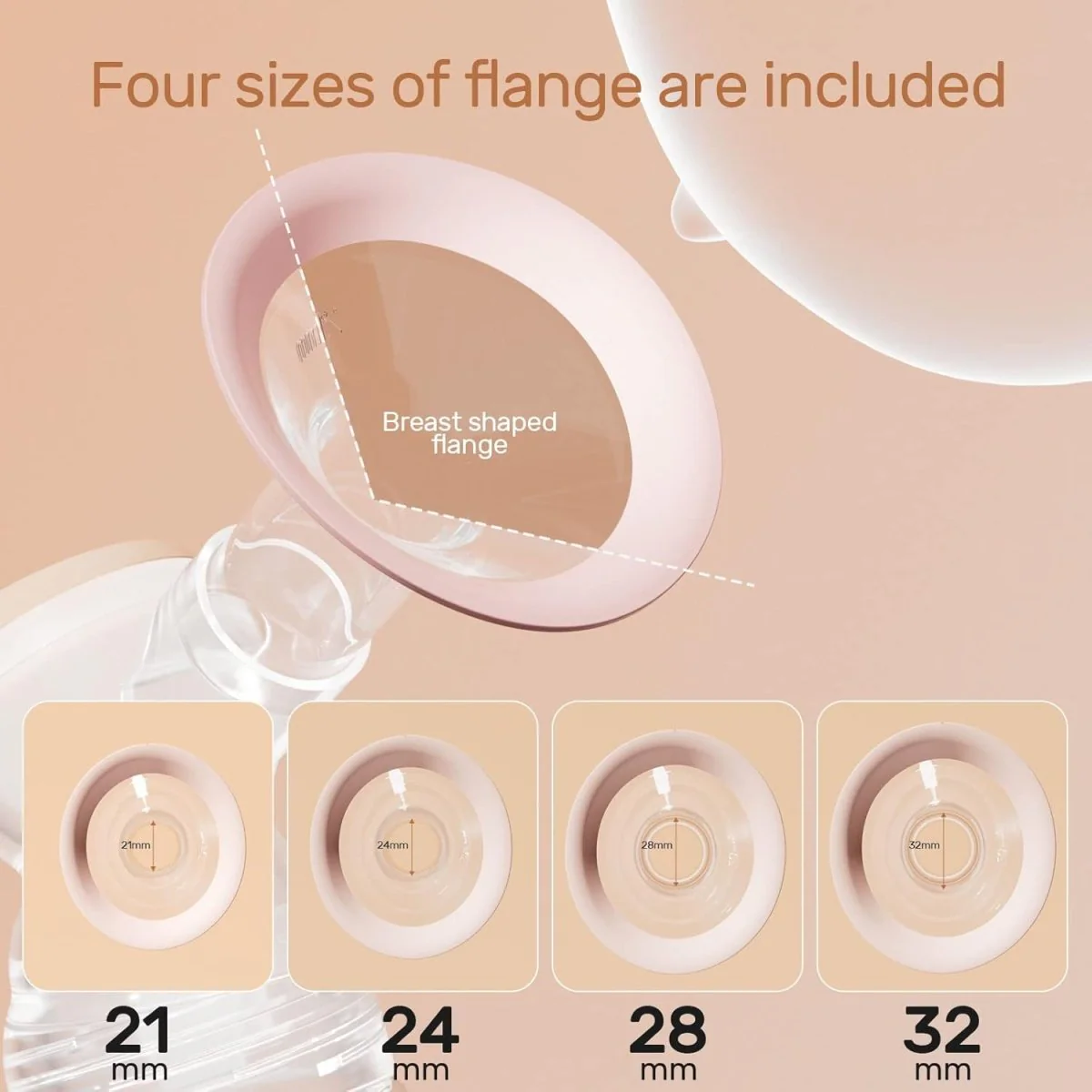
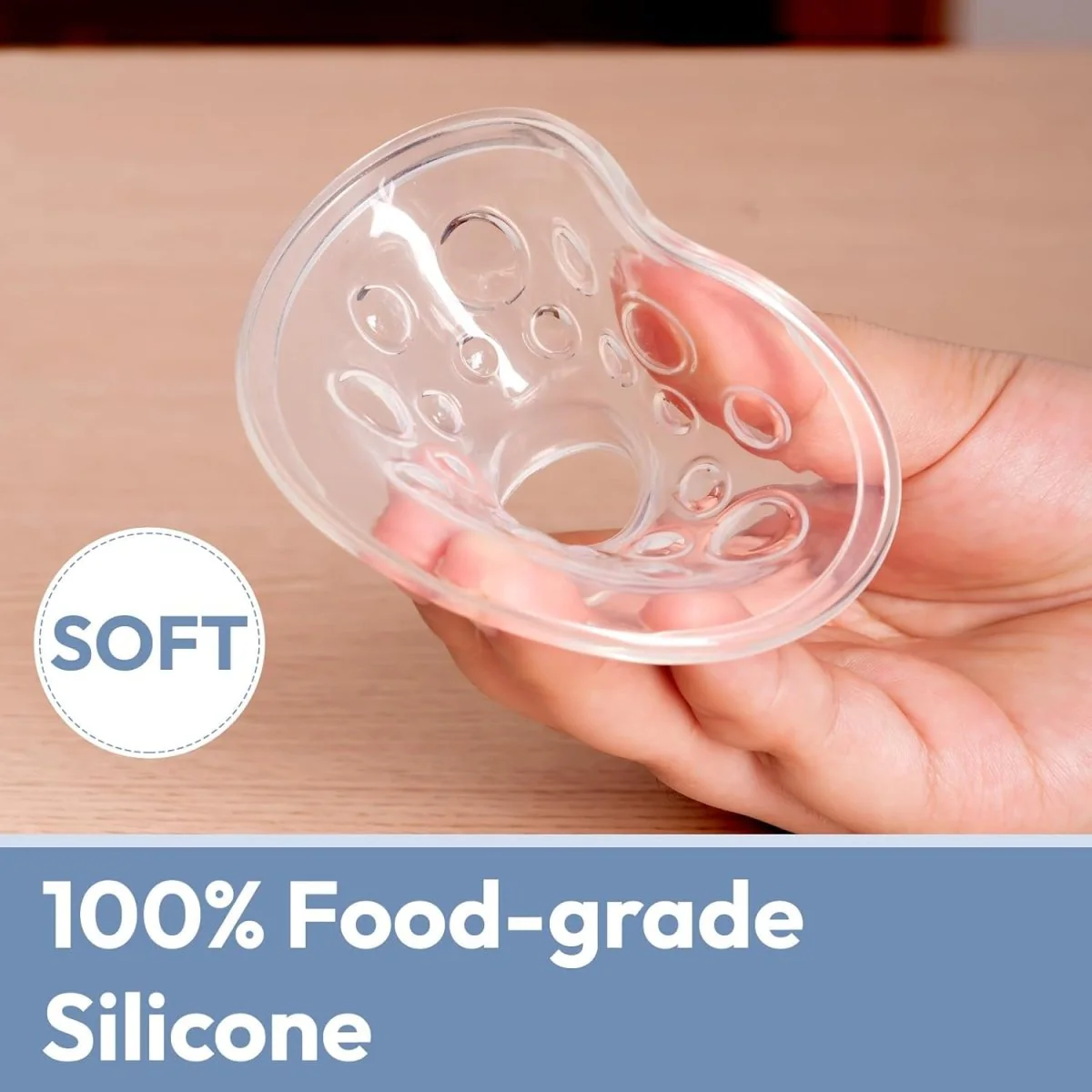
- Soft 20 mm silicone flange for a comfortable fit
- Gentle suction you control by hand
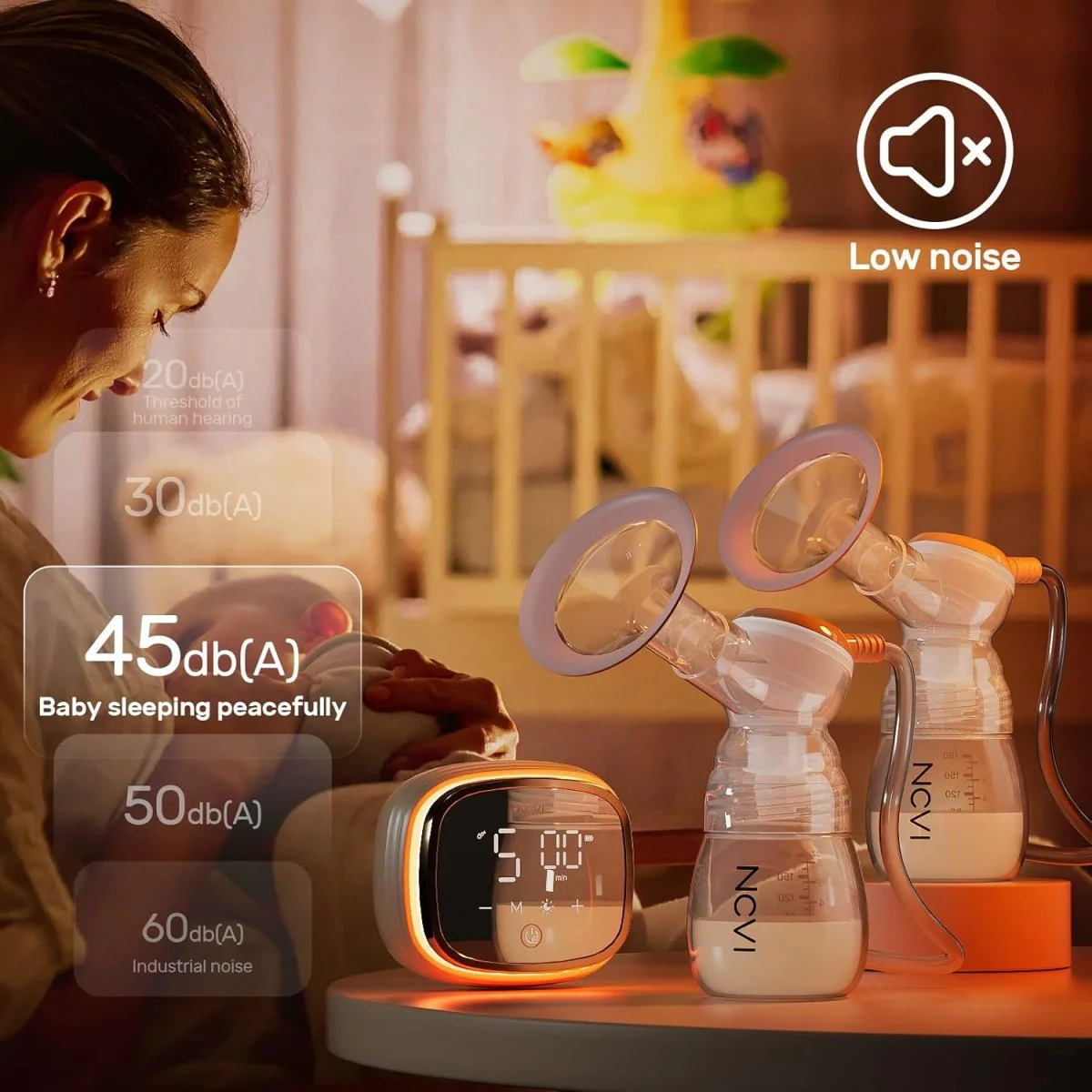
- Quiet – no motor noise
- BPA-free, compact and easy to carry

Is this right for you?
Great for
- Occasional pumping
- Quiet pumping at work or travel
Not ideal for
- Mums who need to pump many times a day – an electric pump may suit better
Not sure? WhatsApp us and we will help you choose.
Description
How does a manual breast pump solve common pumping challenges?
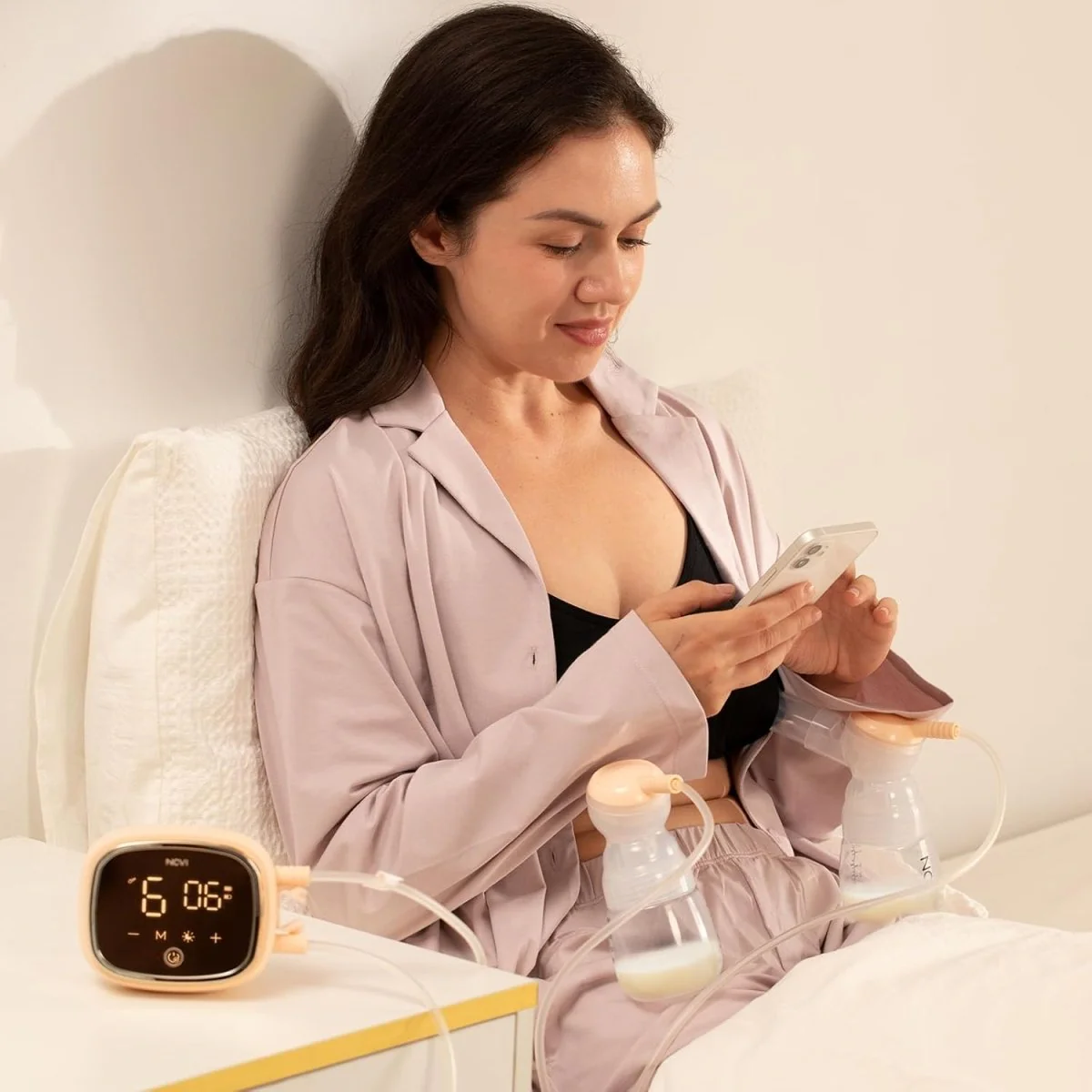
Manual breast pumps provide a lightweight and compact solution for mothers on the go, fitting easily into any diaper bag or purse.
The absence of a motor allows for nearly silent operation, offering the discretion needed for work or travel environments.
Users gain full control over the suction speed and rhythm, allowing for a more natural pace that can improve comfort during expression.
For those interested in exploring broader options, you can view our full range of Health & Personal Care essentials.
What are the key features and components?
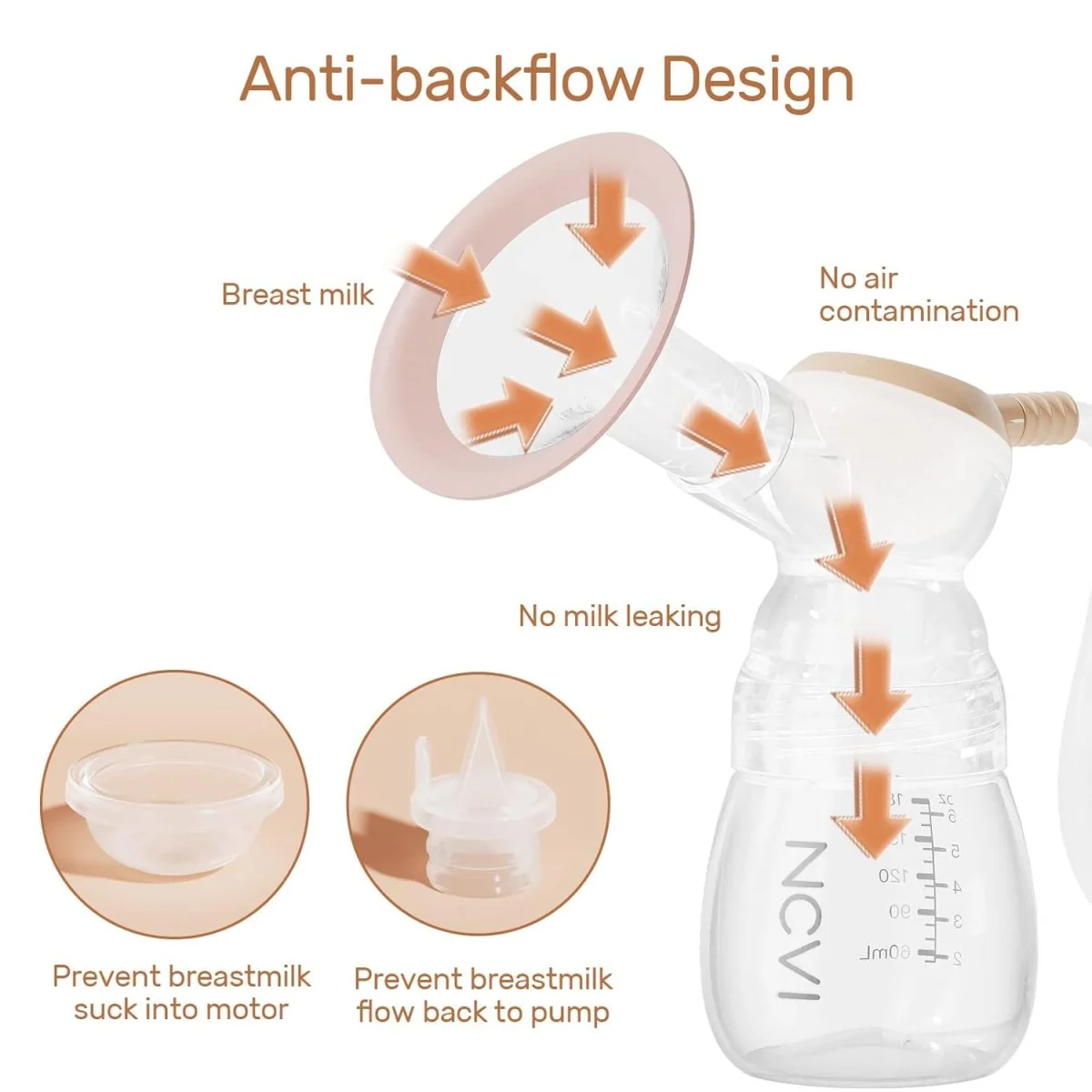
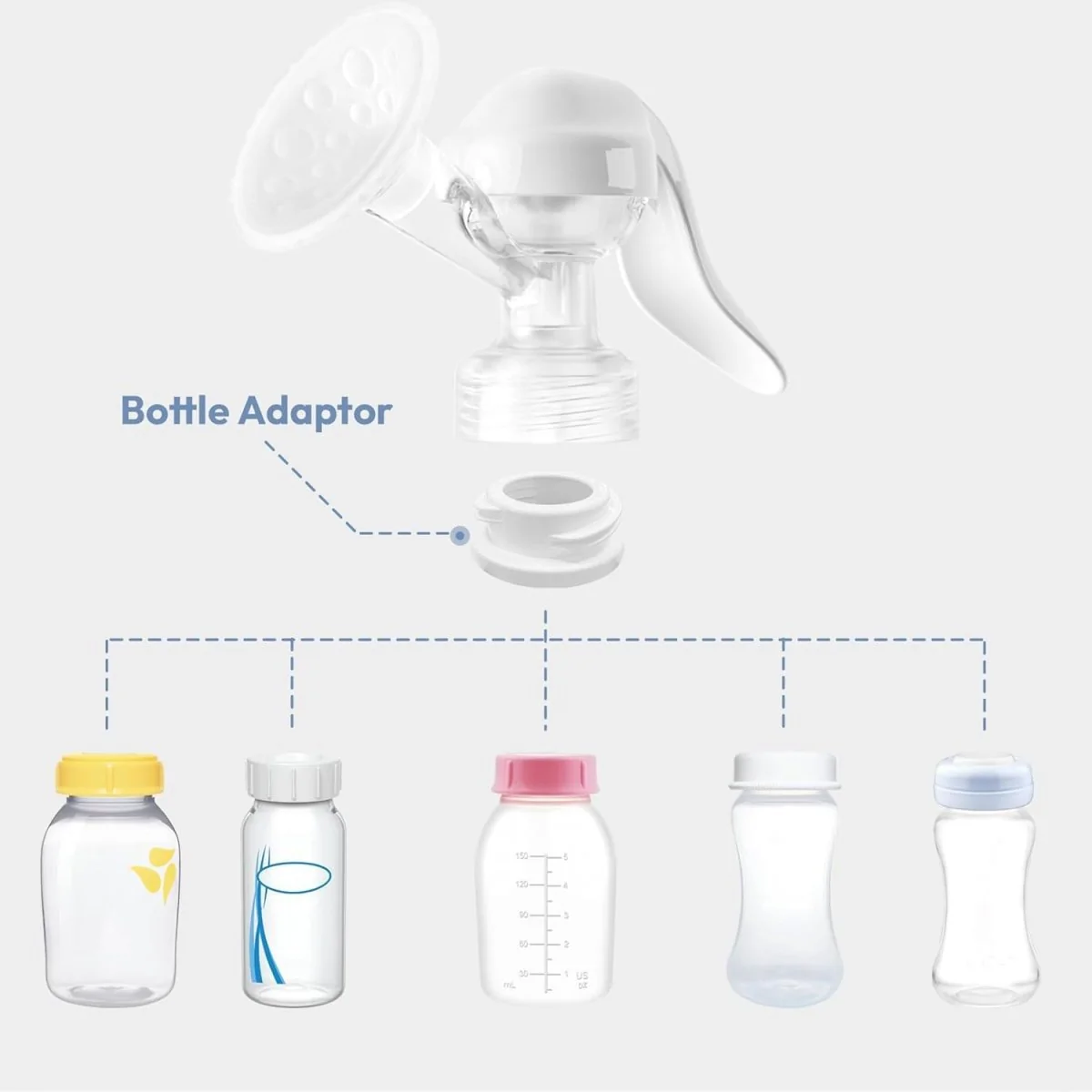
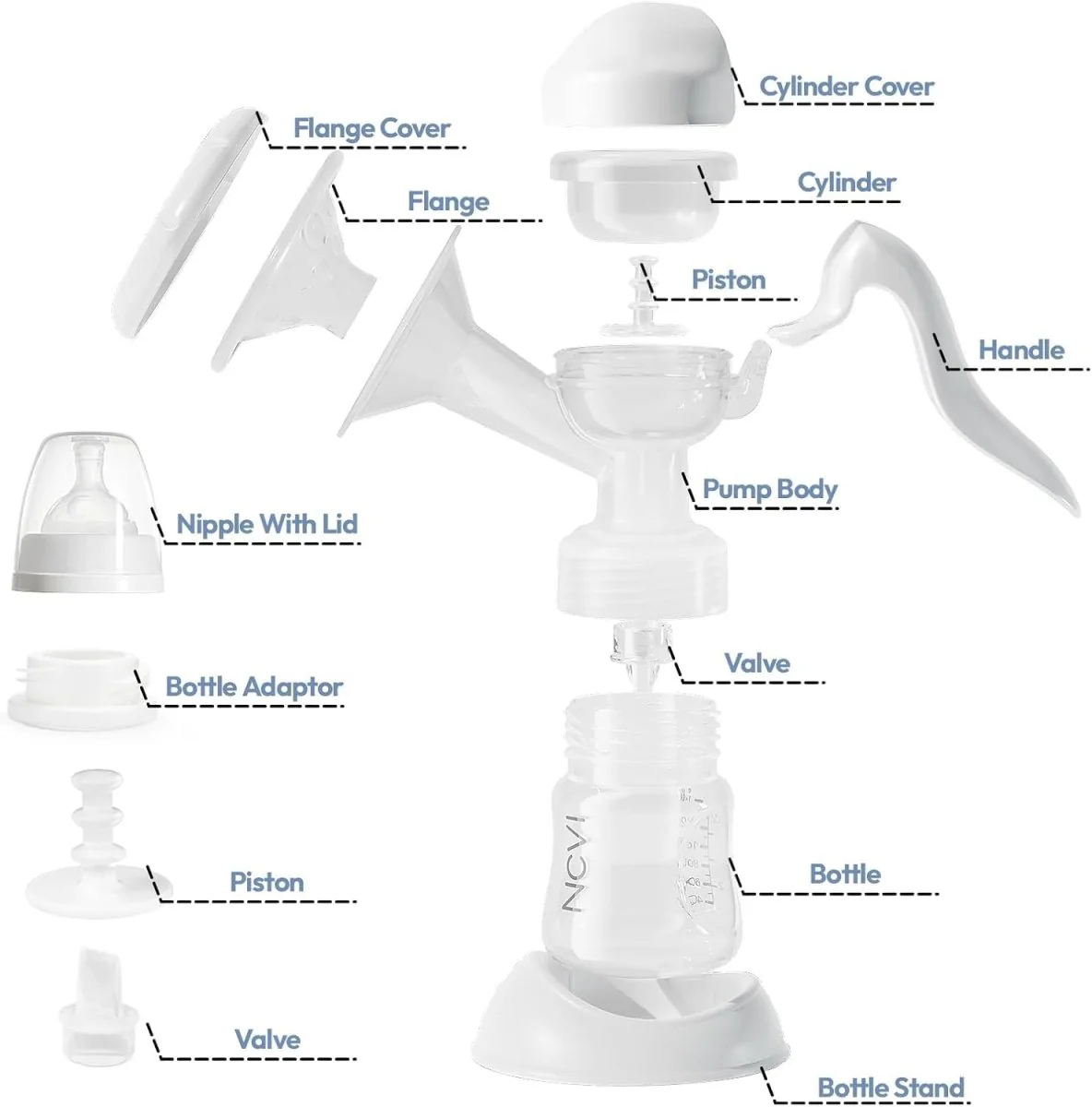
Breast Shield (Flange): A cone-shaped cup designed to fit over the nipple and areola, which is critical for comfortable and efficient suction.
Manual Handle/Lever: The mechanism used to manually create a vacuum, effectively mimicking a baby’s natural sucking action.
Collection Container: A reusable bottle or storage vessel that attaches to the unit for immediate milk collection.
Simplicity: With fewer parts compared to electric models, these pumps are quick to disassemble and sanitize, supporting high hygiene standards.
Why is a manual pump a recommended backup?
They serve as a reliable “lifesaver” during power outages or when charging an electric pump is not possible.
Manual pumps are highly affordable, making them an accessible entry point for families prioritizing budget-friendly baby care.
They are ideal for occasional pumping sessions, helping to relieve engorgement or maintain supply when away from the baby for short periods.
Q: Is a manual breast pump difficult to use?
No, manual pumps are designed for simplicity. You simply place the breast shield over the nipple and squeeze the handle gently to initiate suction.
Q: Can I use a manual pump to relieve engorgement?
Yes, the manual control of suction strength makes these pumps excellent for easing swelling and softening the breast for easier latching.
Q: How long does a pumping session take?
Sessions typically last between 10–20 minutes, though this varies based on individual milk supply and personal comfort preferences.
Helpful guide: How to store breast milk at work and while travelling
Helpful guide: How to use a manual breast pump: step-by-step guide
Additional information
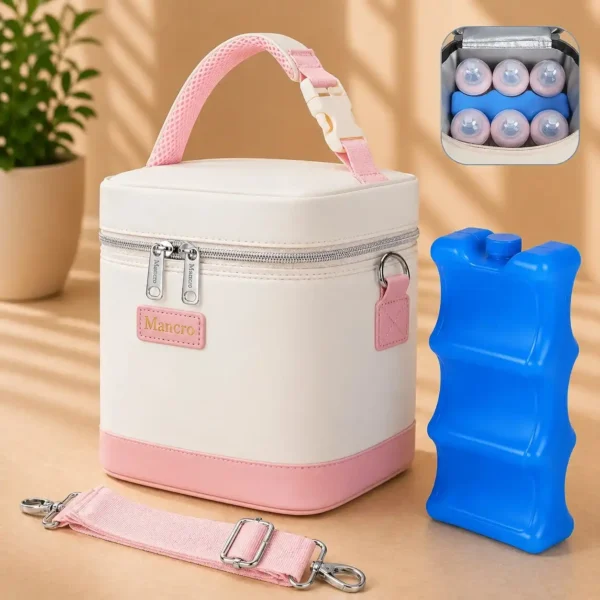
| Size / Dimensions | Holds up to 6 bottles |
|---|---|
| Material | Insulated lining, durable exterior fabric |
| Capacity / Quantity | 6 bottles |
| Use Case / Setting | Work, travel, daily outings |
| Properties | Long-lasting cooling, temperature retention |
| Waterproof / Leakproof | Yes – leakproof |
| Portable / Foldable | Yes |
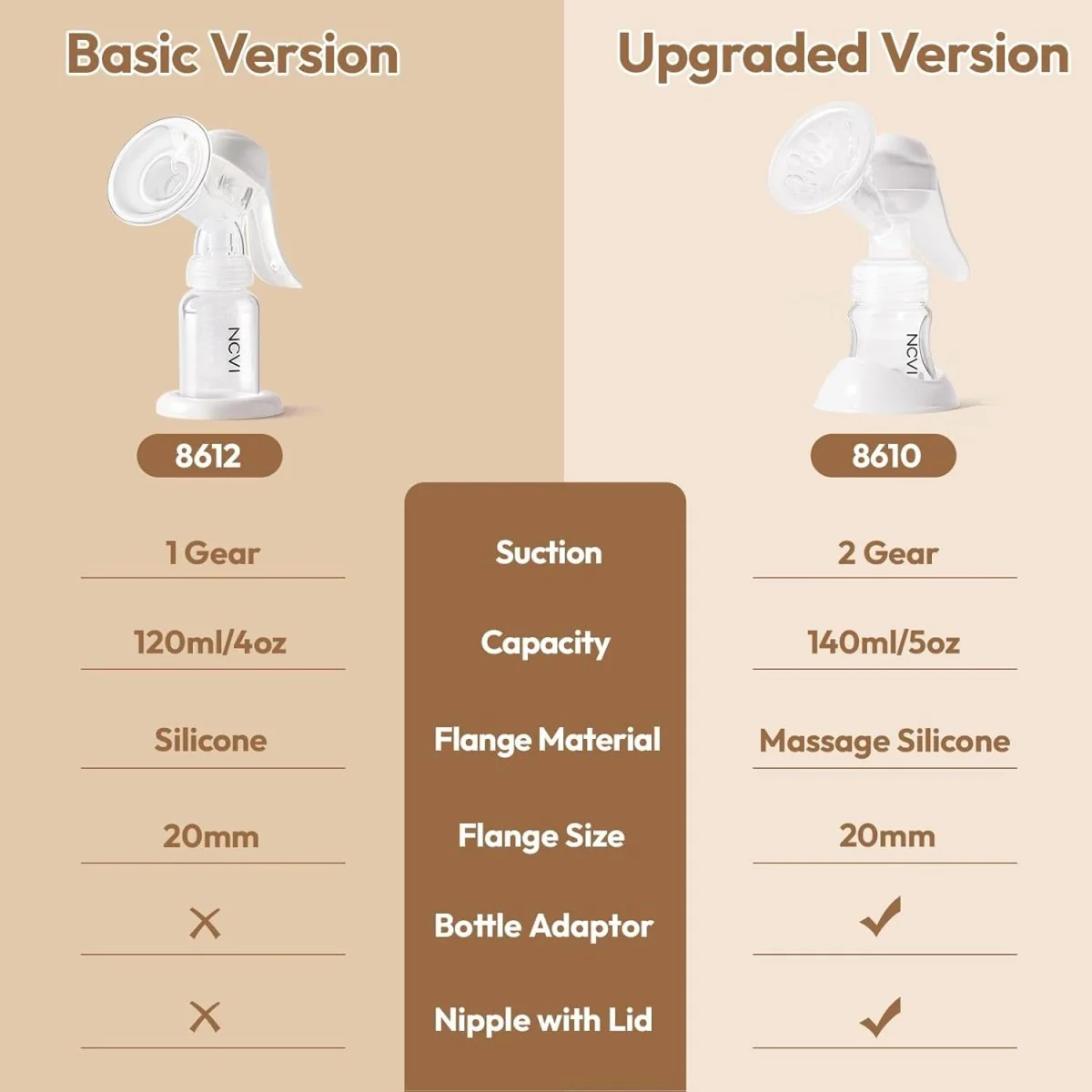
| Color | Manual Breast Pump – 8610, Orange-4400mah, Pink-single, Pink, White(basic Version) |
| Brand | NCVI |
Reviews (0)
Related products
-

Baby Noise Cancelling Earmuffs – Infant Hearing Protection
Price range: ₹1,349.00 through ₹2,999.00 Select options This product has multiple variants. The options may be chosen on the product page -
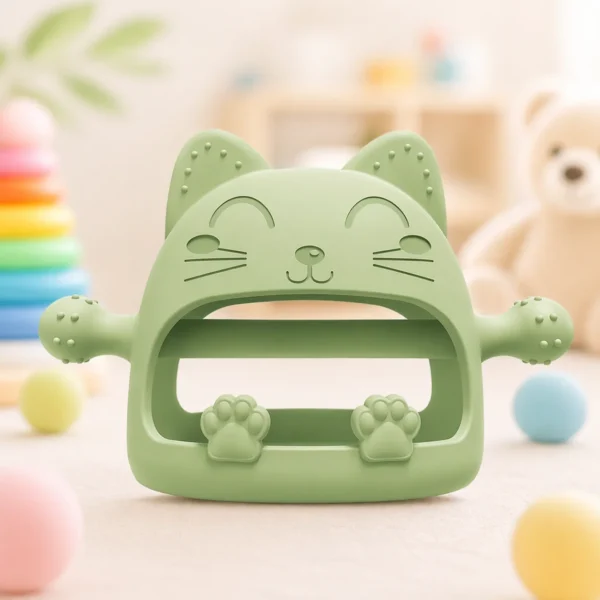
Cat Shape Baby Teether – BPA-Free Silicone Teething Toy (0–12 Months)
Original price was: ₹995.00.₹499.00Current price is: ₹499.00. Select options This product has multiple variants. The options may be chosen on the product page -
Baby Bottle Cooler Bag – Compact, with 2 Ice Packs
Original price was: ₹2,995.00.₹1,795.00Current price is: ₹1,795.00. Select options This product has multiple variants. The options may be chosen on the product page -
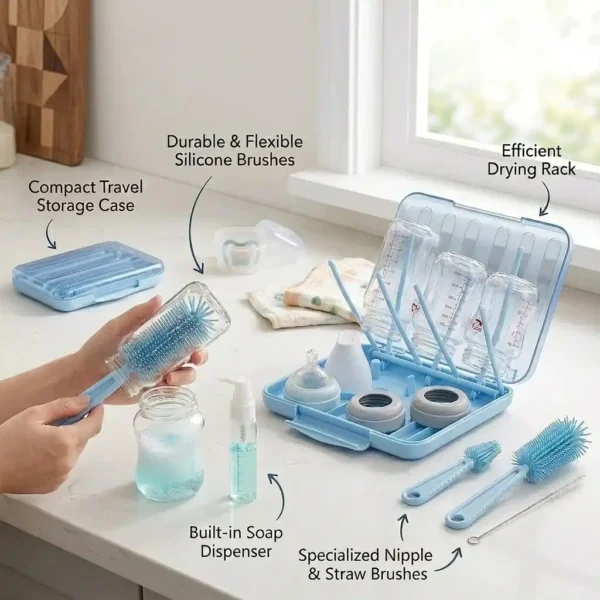
Baby Bottle Brush Kit (6-Piece Set)
Original price was: ₹2,449.00.₹1,645.00Current price is: ₹1,645.00. Select options This product has multiple variants. The options may be chosen on the product page

Reviews
There are no reviews yet.